
Managing Variance: A Guide to Slot Volatility and RTP
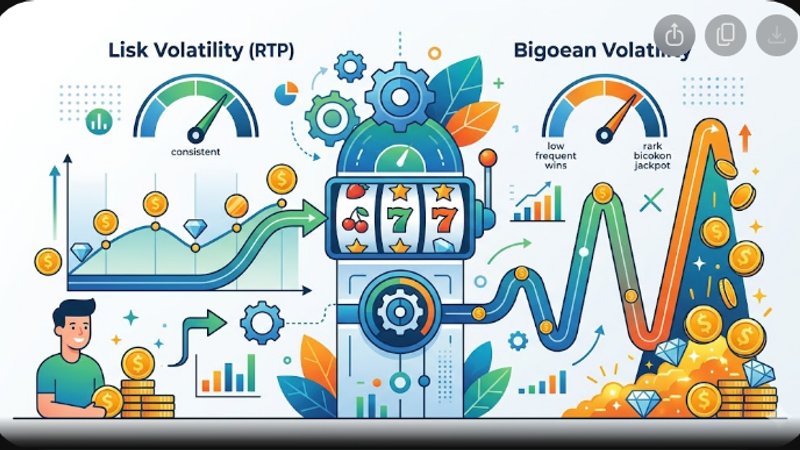
One of the most common misconceptions among beginners is that a 97% RTP means they will get €97 back from every €100 spent in a single session.
In reality, RTP is a theoretical average calculated over millions of spins. When analyzing new slot release RTP data, it is equally important to look at volatility (also known as variance). In our opinion, volatility is the metric that actually defines your day-to-day experience at the reels.
Low Volatility: The Slow and Steady Approach
Low volatility slots tend to pay out smaller wins more frequently. Based on our review, these games are often preferred by players who want their bankroll to last longer. While you may not see a massive jackpot, the frequency of hits can make the experience feel more consistent.
Typical Profile: Frequent small wins, lower peak payouts, lower risk of long losing streaks.
High Volatility: The High-Risk, High-Reward Path
High volatility slots are the opposite. They may go for many spins without any payout at all, but when they do hit, the payout could be significantly larger. This is often seen in "Max Win" style slots or those with complex bonus buy features.
- The Risk: You could deplete your balance quickly before hitting a feature.
- The Potential: A single spin could potentially result in a payout that far exceeds your initial stake.
- The Strategy: These games generally require a larger bankroll to weather the dry spells.
Why There is No "Winning Strategy"
It is vital to be transparent here: there is no guaranteed way to beat a slot machine. Slots use Random Number Generators (RNG) to ensure that every single spin is independent of the last. Whether a game has an RTP of 92% or 98%, the result of the next spin is entirely random. Any claims of a "winning strategy" or a "hack" are, in our opinion, misleading.
The only real "strategy" is bankroll management. This means deciding how much you are willing to lose before you start and sticking to that limit regardless of the outcome. Remember, gaming should be for fun; if it stops being enjoyable, it is time to step away. Please play within your limits and remember that responsible gambling is the only sustainable way to play.
Comparing RTP and Volatility
To put it simply: RTP tells you how much the machine is programmed to pay back over the long term, while volatility tells you how it pays it back. A high RTP game can still be high volatility, meaning you could lose everything quickly despite the theoretical return being high.
By understanding this distinction, you can choose games that fit your personal risk tolerance. If you prefer a relaxing session, look for low volatility. If you are chasing a big thrill and can afford the loss, high volatility may be the way to go.